
Facilities Where Customer Property Creates Unique Liability

Self-Storage Insurance in Western Colorado for operations managing multiple small-unit structures

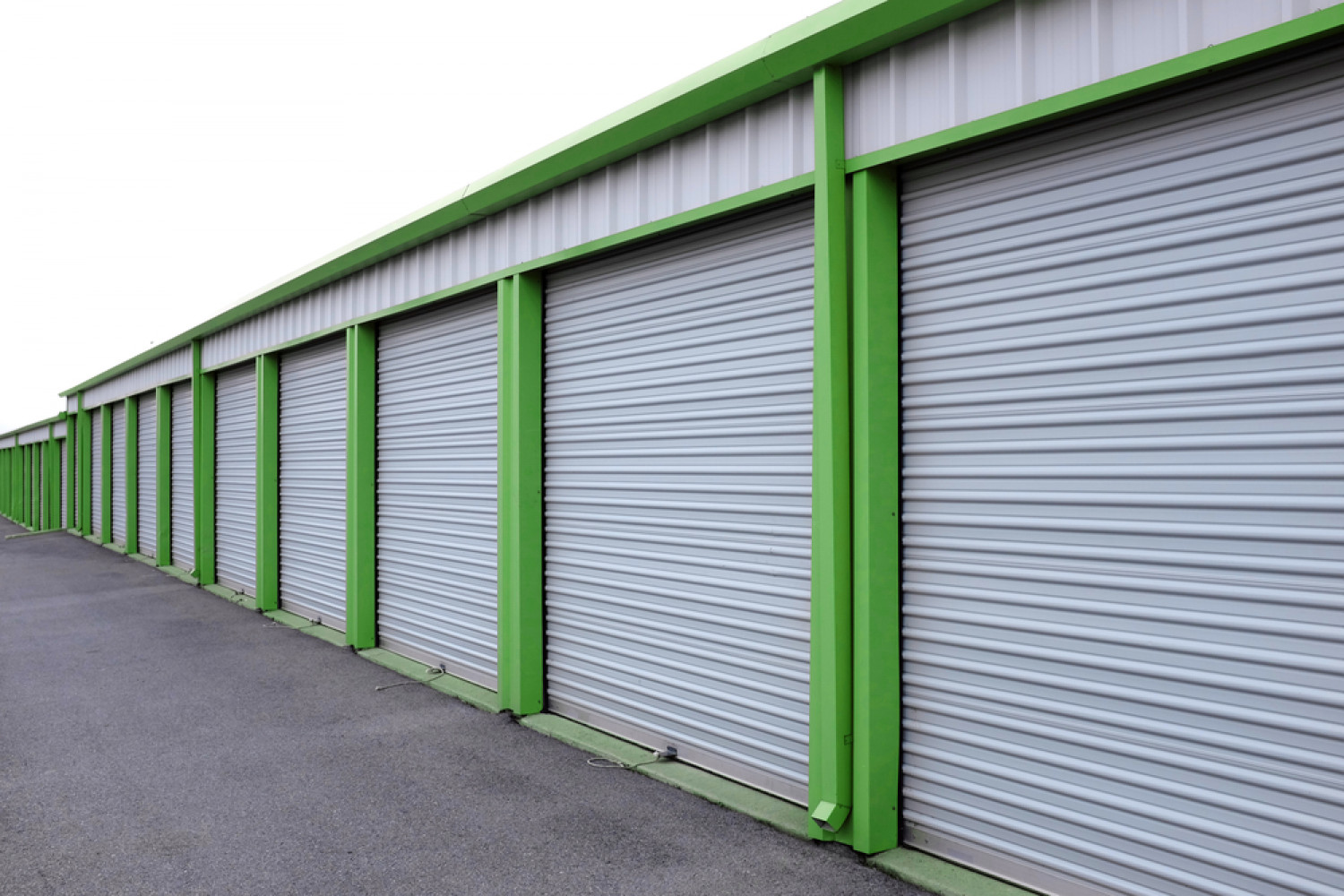
Self-storage facilities consist of multi-unit structures where individuals store personal items in spaces typically too small for vehicles or large equipment-operations where the business owns significant property but holds minimal inventory. When units become large enough to house motorhomes or campers as more than an incidental part of the operation, the risk classification changes and different underwriting standards apply. 360 Insurance Company writes self-storage insurance in Western Colorado through Businessowners or Commercial Package policies, with optional customer goods legal liability coverage addressing the exposure created when tenant property claims arise.

Standard property coverage protects the structures, while business income coverage addresses revenue loss from closures. Customer goods legal liability becomes the critical optional endorsement, responding when the facility is found legally liable for damage to tenant property stored in the units.

Arrange a facility assessment that evaluates your unit count, building values, and whether your operation remains within self-storage classification standards.

How Self-Storage Coverage Addresses Facility-Specific Exposures

Businessowners policies include business income, equipment breakdown, accounts receivable, valuable papers, and electronic data coverage as standard features. Optional endorsements add customer goods legal liability-which addresses claims when tenant property is damaged and the facility is found legally responsible-along with Xpand coverage, money and securities protection, building ordinance or law coverage for older structures, outdoor sign coverage, and employee dishonesty protection.

360 Insurance Company structures policies so that when a covered event damages facility structures, property coverage responds to repair or rebuild, while business income coverage compensates for rental income lost during repairs. Customer goods legal liability provides a defense and pays settlements when tenants claim the facility's negligence caused damage to stored items, though it doesn't cover tenant property as a primary obligation.

Building ordinance or law coverage becomes relevant for facilities in Western Colorado where older structures may trigger code upgrade requirements during repairs. The endorsement addresses the cost difference between standard repairs and the higher expense of meeting current building codes.

Answers to Frequent Service Questions

Self-storage operators often need clarification on how coverage responds to tenant property claims and what distinguishes self-storage from vehicle storage operations.

  • What does customer goods legal liability cover? This optional coverage responds when the facility is found legally liable for damage to tenant property stored in the units. It provides a legal defense and pays settlements or judgments, but it's not a bailment policy-it only responds when negligence is established, not for every instance of tenant property damage.
  • Why does the policy distinguish between small-unit storage and vehicle storage? Underwriting standards and coverage terms differ based on what's stored. Self-storage policies contemplate personal items in smaller units. When facilities primarily store vehicles, RVs, or boats, the risk profile changes due to higher per-unit values and different loss patterns, requiring different policy structures.
  • How does business income coverage calculate lost rental income? The policy examines your rental records to determine typical monthly income, then compensates for lost revenue during the period when damaged units cannot be rented. For self-storage facilities, this calculation is straightforward since rental income follows predictable monthly patterns.
  • What makes building ordinance or law coverage necessary for self-storage facilities? Older facilities in Western Colorado may not meet current building codes. When covered damage requires repairs, local ordinances may mandate upgrades beyond simple restoration. This coverage pays the additional cost of bringing the structure into compliance rather than just restoring it to its previous condition.
  • When should a self-storage facility add employee dishonesty coverage? When employees handle rent payments, access codes, or have authority over tenant accounts. This coverage responds to theft by employees, addressing an exposure that standard property policies exclude.
360 Insurance Company structures self-storage policies to address both the property values facilities maintain and the unique liability exposures created by tenant property. Contact us to review whether customer goods legal liability limits reflect your facility size and tenant count.

Contact Us